
A bathroom scale costs about twenty dollars. A set of resistance bands costs fifteen. A food scale, the small digital kind that fits in a kitchen drawer, runs under twenty-five.

Walking burns roughly half the calories per minute that running does, and that single fact has quietly decided more fitness arguments than any study ever will.

Weight management fails in the same predictable places for almost everyone. The failures are not mysterious, and they are rarely about willpower in the way people imagine.
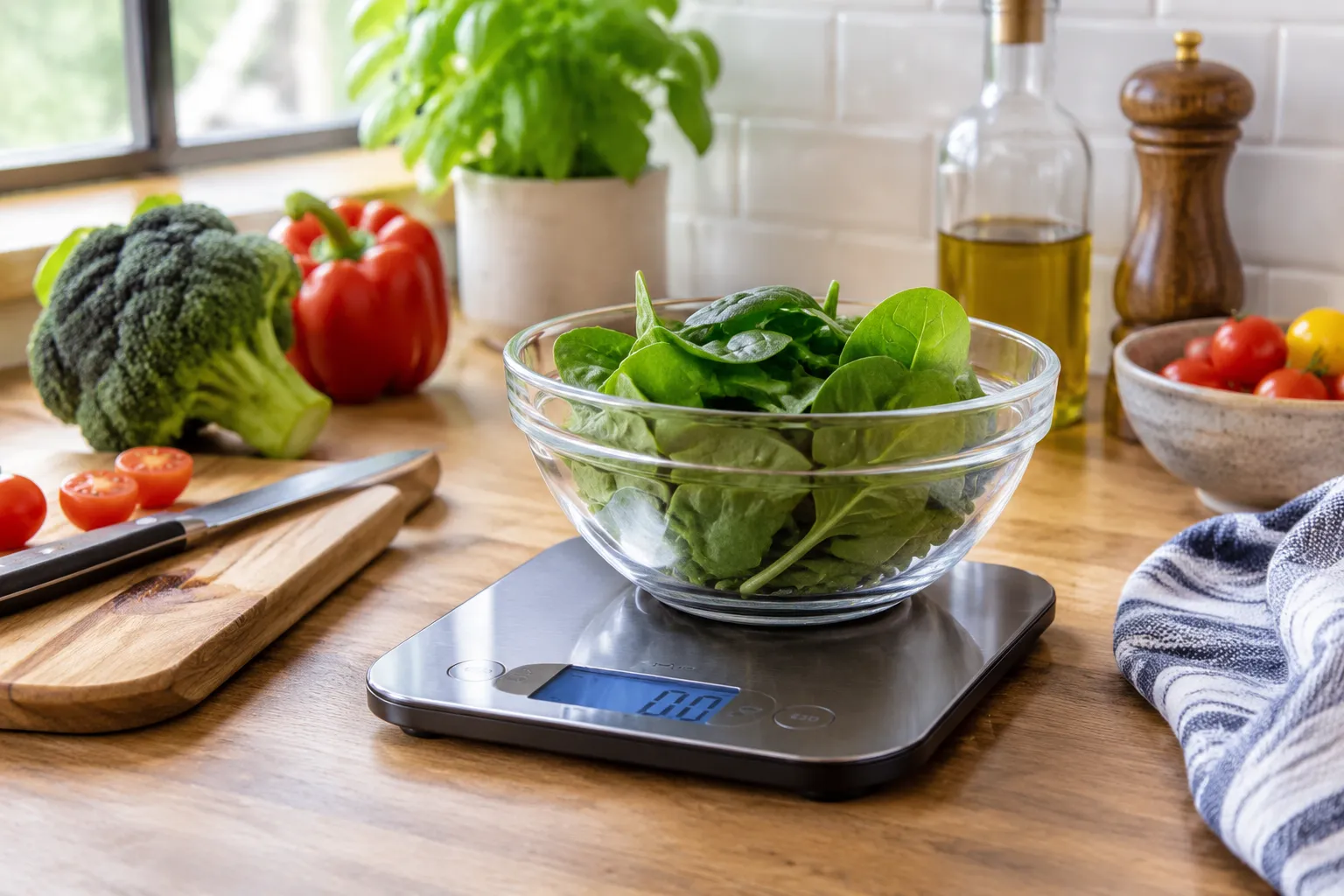
Twenty-five dollars buys a kitchen scale that will outlast most of the appliances sitting beside it. That is the strange fact at the center of this category.

Keeping weight off for years is a different skill from losing it, and the two get confused constantly.

Body composition changes slowly, and the tools most people use to track it change fast enough to lie.

Sustainable weight management has a marketing problem. The phrase itself arrives pre-loaded with images of kale smoothies, fitness trackers, and the quiet misery of a life measured in calories.

Gym memberships in the United States routinely run forty to eighty dollars a month, and roughly half of the people who sign up stop attending within six months.

Weight loss plateaus are ordinary. That is the first useful fact, and it is the one most diets bury.

Weight trends carry real information. They pick up a winter of too many restaurant dinners, a stretch of disrupted sleep, a thyroid that has started underperforming.
- 1
- 2