
The notebook costs four dollars. The pen costs two. The app is free, or it is three dollars a month, or it is eleven, depending on which one catches the eye at 11 p.m. on a Tuesday.

Meditation apps report record downloads, hospital waiting lists for stress clinics stretch for months, and the word mindfulness has migrated from Buddhist retreats into quarterly performance reviews.

Mood tracking has a shelf life problem. The paper charts and phone apps that start with such good intentions in January tend to be abandoned by March, and the reason is almost never laziness.
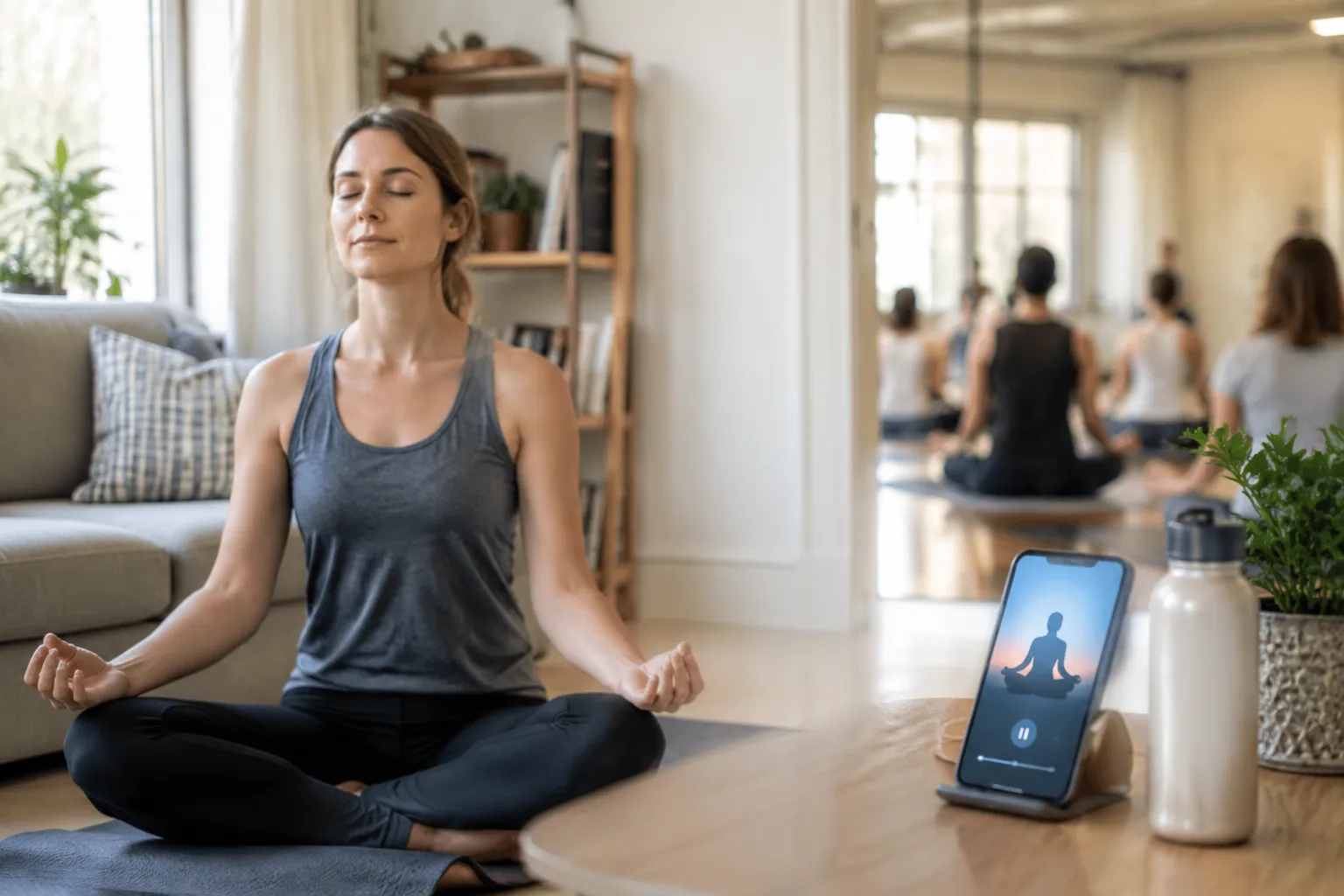
Two numbers sit behind every meditation app subscription: the download and the open. The first is easy, a moment of aspiration on a Sunday evening.

Two quiet activities, a notebook and a meditation app, both marketed as remedies for the same grinding modern problem.

The meditation app market has spent a decade promising calm in ten minutes a day, and the average subscriber quits before the free trial ends.

The fastest way to lower stress in the body is not a long meditation or an app subscription.

An estimated sixty million American adults live with some form of mental distress in any given year, and the overwhelming majority of them will not see a therapist this week.